Grab your shovel and get inspired with these Easy Gardening Tips for Beginners to Pros!
Then… have even more fun in your yard with these creative Homesteading tips and tricks!
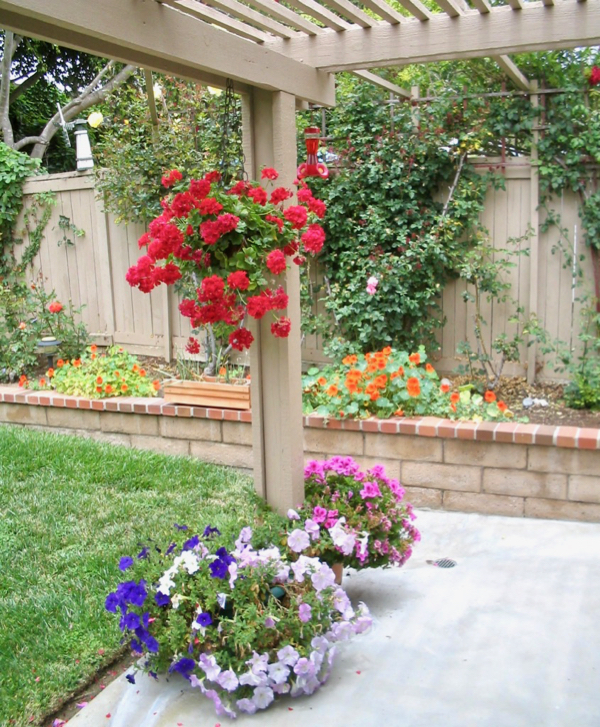
Easy Gardening Tips for Beginners
If you love gardening, or have just been dreaming of that beautiful garden you’d like to start one day, these easy Gardening Tips for Beginners to Pros are for you!
You’ll find out what works best and exactly what to avoid when growing your favorite fruits, veggies, and flowers this year!
You don’t have to spend a lot of money to create a fabulous garden.
So go grab your shovel, and get inspired with these helpful Gardening Tips and Tricks you’ll wish you tried sooner…
Related: Canning and Preserving for Beginners (Ultimate Guide to Get Started)
Growing Fruit at Home
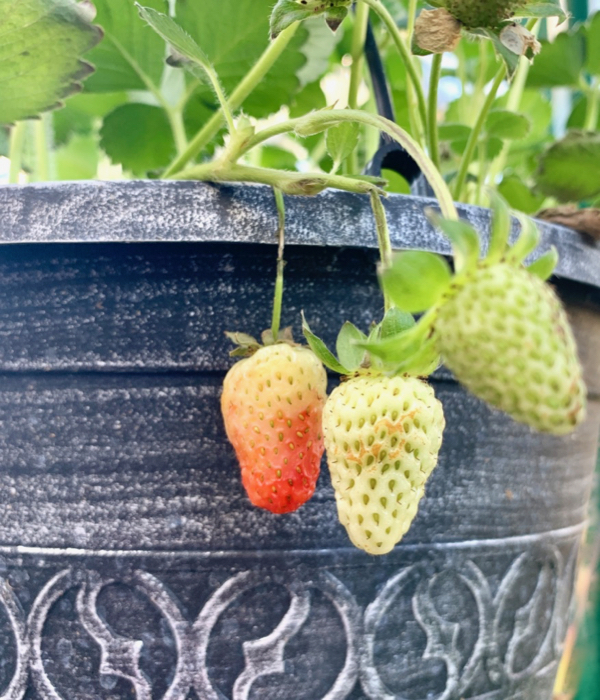
28 Strawberry Growing Tips! (How to Grow Strawberries in your Backyard)
Get ready for biggest, juiciest strawberries ever with these helpful tips plus common problems solved!
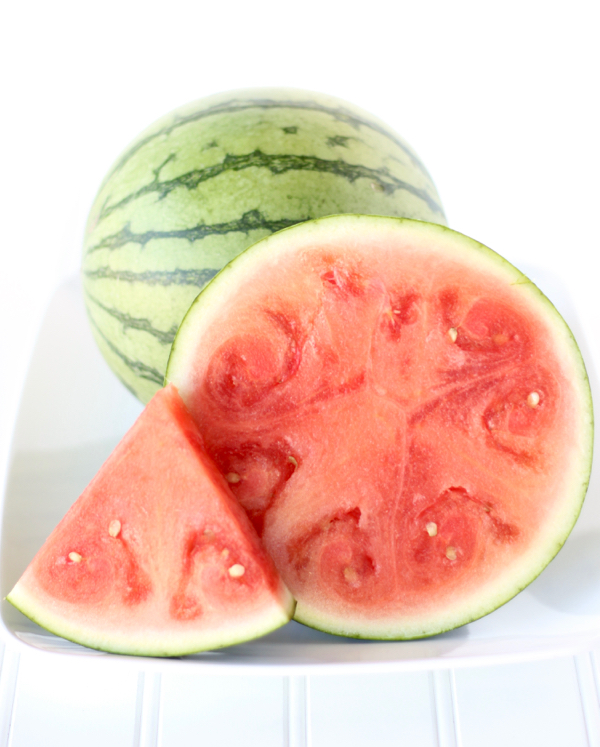
22 Watermelon Gardening Tips for Perfect Watermelons
No one ever gets upset about having a pile of juicy Watermelons in the garden! Learn how to start growing your own today!
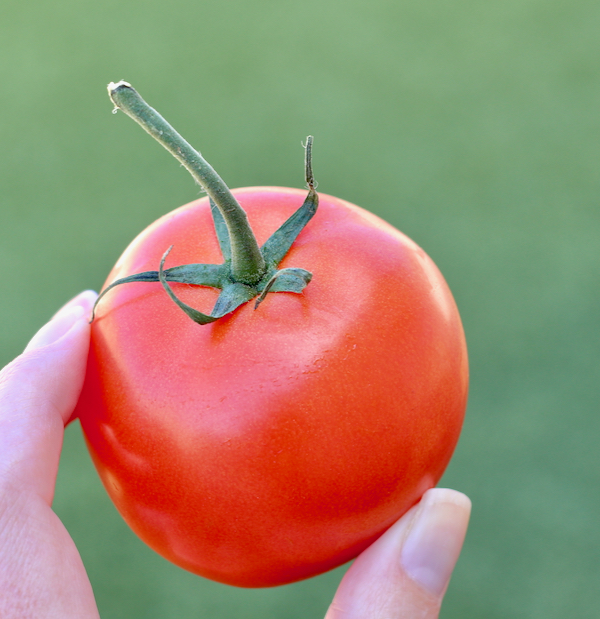
40 Tips for Growing Perfect Tomatoes Every Time!
Growing plump and delicious Tomatoes just got a lot easier! You’ll love these tried and true tips!
Vegetable Gardening Tips
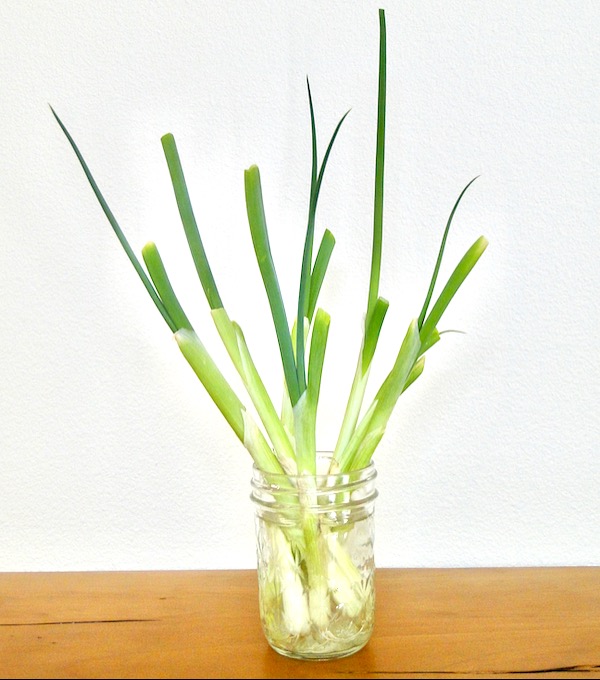
Growing Green Onions (Indoors & Outdoors)
Did you know that you can regrow green onions from the grocery store? They’ll grow great both indoors and outdoors! You may never have to buy green onions again with this simple trick!
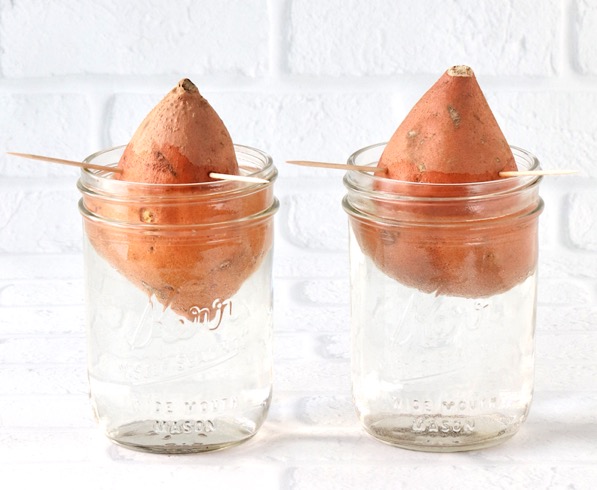
Sweet Potato Slips (How to Grow Sweet Potatoes at Home!)
Did you know it’s actually really easy to grow your own sweet potatoes at home? All you’ll need are some Sweet Potato Slips to get started!
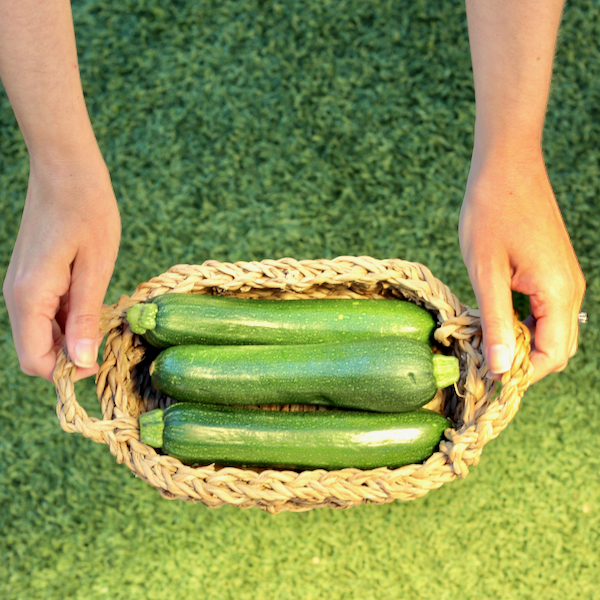
45 Zucchini Growing Tips (How To Grow Perfect Zucchini)
Zucchini is so easy to grow and will get off to a great start with these tips…
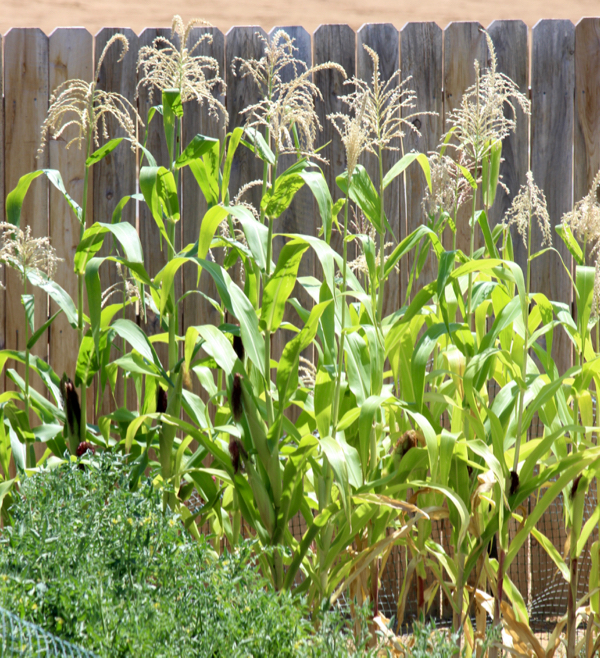
30 Corn Gardening Tips and Tricks (How To Grow Corn at Home)
These creative tips and tricks will ensure a plump juicy crop of fresh corn!
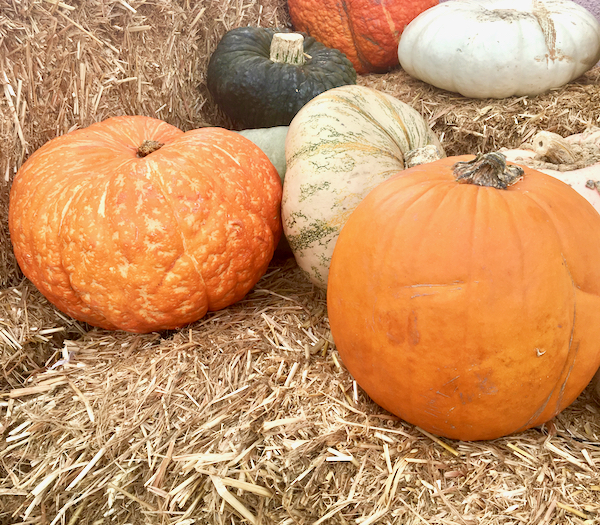
15 Pumpkin Growing Tips for Perfect Pumpkins
Would you love some Perfect Pumpkins this year? Then you need to check out these fun Pumpkin Growing Tips!!
Jennifer said: “We use heirloom seeds. Most of the time they are the same price as the seed packs at Walmart (around $2.00 a pack), but your benefits are enormous. Last year I saved around 10 – 20 packs worth of seed off of one plant. I also got a half gallon of pumpkin seeds off of two pumpkins. I would recommend buying what you can grow easily in your area and then branch out. Here in Missouri (in Zone 3), I can easily grow tomatoes, peppers, lettuce, cucumbers, and okra. Green beans are hit and miss.
I am a 6th year gardener and I still don’t like starting plants early indoors. The plants seem to catch up if I just plant outside at the right time anyway.
Also, if you’ll check farmer’s markets, they often have plant seedlings available closer to the end of the starting season (around May) You can get these for just pennies.”
Donna writes: “For starting seeds, lights are the best, or very direct light or the seedlings will stretch too tall. Tomato plants can be planted deep to hide this, but peppers cannot. It is best to buy plants your first time out. We have a greenhouse business and we start our stuff in the greenhouse.
Some vocational schools have plant sales that will save you money. And please do not save seeds, many are hybrids which means that the seeds will not be like the year before. And soil is important. find your local ag extension agent, and get a soil test done. That way you do not waste your time and money buying fertilizers and lime that you do not need. Also find a garden club to join many have professionals that are members.
Hope this helps! Signed a horticulture teacher.”
Nydia writes: “My husband always tills the garden, making rows, and then plants the seeds immediately. The biggest investment that you should make is in good soil! I live in the Houston area and have had success with big tomatoes and cucumbers. Vegetable gardening is so much easier than most people think.”
Kelly writes: “I do winter sowing and love it because it is cheap and easy. The idea is to plant the seeds in a container and put it outside for the winter. When it is warm enough, they will start to grow. No special lights, no hardening off, etc. So easy! I also use leftover containers, so I don’t have to buy anything new. I have had the best success with juice containers, because they are tall enough for the plants to grow to a strong height while still being protected.”
Karen writes: “For small spaces, consider Square Foot Gardening and Container Gardening, too. A great way to get inexpensive plants is at a gardening club sale in your town. The members start the plants by seed or divide their plants (perennials). I’ve gotten tomato plants for $0.10 each this way. I concentrate on plants my family likes that are high producers, like tomatoes and cucumbers. For cucumbers, they grow on a long vine. Your vine can be moved outside the garden or along the perimeter. I also plant onion sets just inside the perimeter of the garden. These are no hassle and you can harvest as needed any time after about 10 weeks after planting. Also, Rhubarb comes back every year and can be put in your landscaping. One Rhubarb plant will produce enough that you’ll be chopping it up and putting it in the freezer for later!”
Pamela writes: “I am a farm girl – Make sure your garden is south facing or get plenty of lights. I recommend raising your beds. It will help with drainage. (and your back!) Carrots and radishes are easy to grow and the first to come up. They loved having the satisfaction of caring for them and especially harvesting them later. Cucumbers take a lot of room. Allow an entire plot for them. Pole Beans are great in a container or small area. Lettuce can be planted first and will take up some room. You can plant radishes in between your lettuce to save on growing space. Enjoy!! Being outside is life’s greatest pleasure for me!”
Jenny writes: “Use very large containers for most plants, except plants with shallow roots, like lettuce. Roots need a lot of room to grow! I have grown tomatoes, eggplant, cucumbers, peppers, chives, zucchini, squash, and strawberries in containers with varying degrees of success. Your harvest depends a lot on what variety of plant you have, how much water they get, how much fertilizer you use, how hot or cold the temperature is, and if you get attacked by any bugs. Buy plants already started, don’t bother with seeds at first. Make sure you pick healthy plants with NO fruit or veggie on them yet, and with no bug or rot damage. Follow the directions to plant them. Many plant labels will say if they are good for containers. The first year is usually the hardest, so start small with just a few types of plants.”
Kelley writes: “If you have some space and need something to fill it, I would suggest rhubarb. It’s easy to grow and continues to produce all summer (at least where I live in Zone 4). It also is just a nice large plant to fill in a space. Plus there are so many things you can do with it.”
Herb Gardening Tips
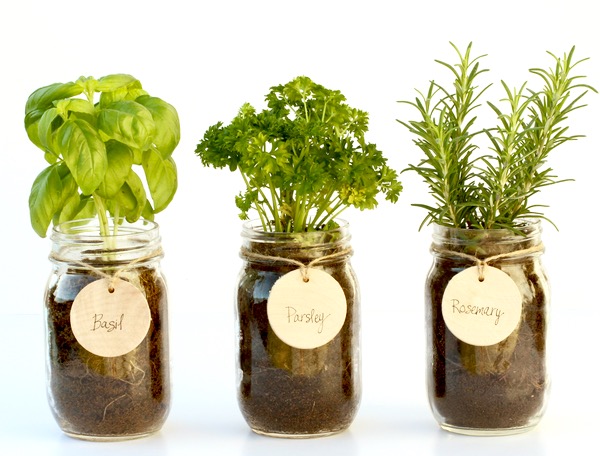
DIY Indoor Herb Garden + How to Dry Herbs
Enjoy fresh herbs year round with these simple tips for a DIY Herb Garden!
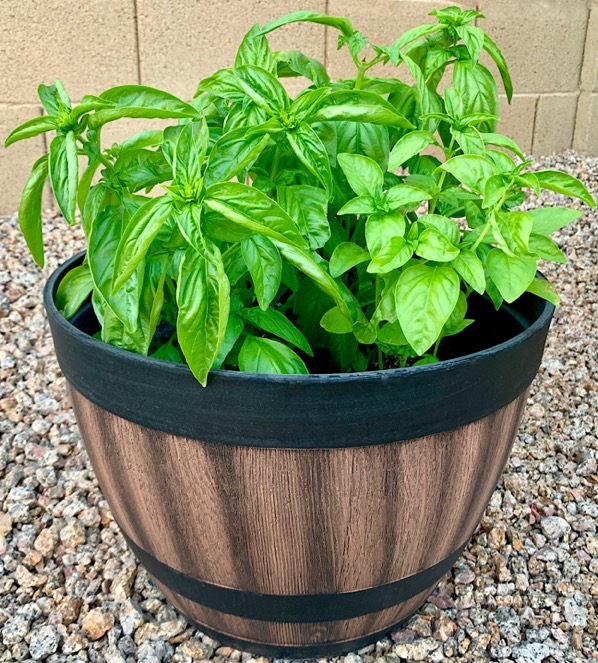
How to Grow Basil From Cuttings
Expand your basil garden this year with this simple trick for How to Grow Basil From Cuttings!
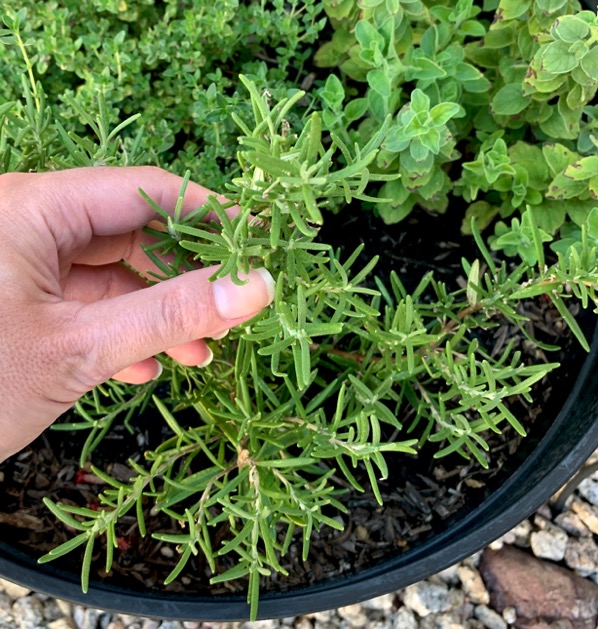
How to Grow Rosemary from Cuttings
Growing your own rosemary is such a smart way to save money, while also enjoying an abundant supply of herbs.
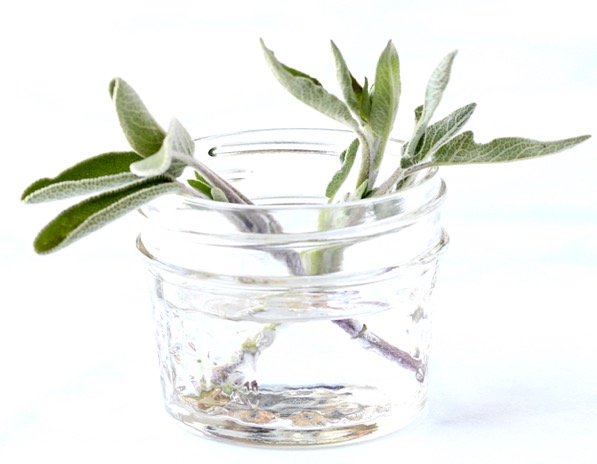
How to Grow Sage from Cuttings in Water
No more trips to the grocery store every time you need to pick up some Sage! Now you’ll know How to Grow Sage from Cuttings in Water!
Michaela writes: “Buy plants at the end of the season, including indoor pots. Then keep them inside over the winter! The plants will keep growing throughout the winter and you will get an even bigger harvest the next year!”
Flower & Shrub Gardening Tips
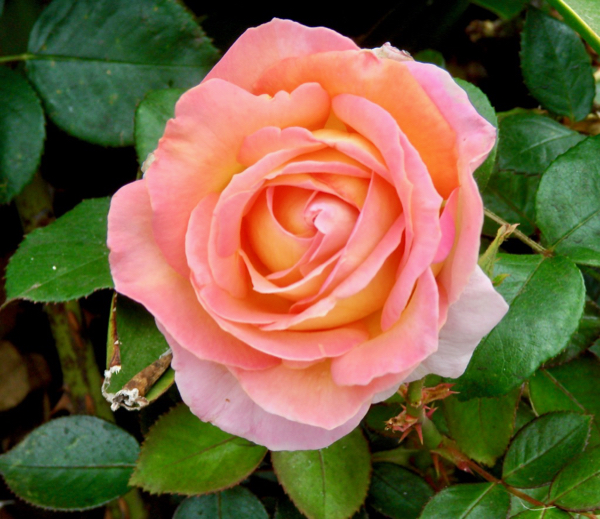
27 Rose Gardening Tips for Beginners to Pros
Check out these tried and true Best Rose Gardening Tips to grow your most beautiful blooms this year!
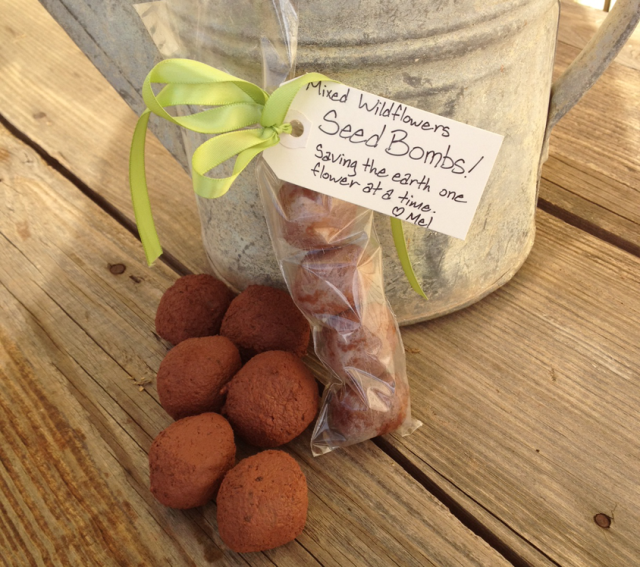
DIY Wildflower Seed Balls
Truth be known, I had a great time getting my hands dirty and squishing the cool concoction between my fingers. It was like I was 5 again. Love it!
Lainey writes: “I buy one or two shrubs of a variety and then root all the ones I want from those.”
Jen said: “I like to look for ‘distressed plants’ at Lowe’s (and other home improvement stores). Last year I got 8 marigold plants for $2.00 total. The key is to check out the plant itself, not the flower. The flowers will look bad, but if the plant is healthy enough, it can easily be revived. 🙂 ”
Rebecca writes: “Buy perennials! You can divide and start new plants from the few that you buy, and have a gorgeous garden. You can then get a few annuals to put in pots around your garden for color all Summer! Be sure to also start plants from seeds early in the Spring!”
Bruno said: “Have a neighborhood perennial swap. I will be trading with my neighbors this year, as I need to divide grasses, etc. and want a new color or texture to add to my beds.”
Arlena said: “When I see neighbors in their yard, I ask to cut off a portion of a plant that can be thinned out. I usually start off asking about the plant or commenting on how nice their yard looks. I find gardeners are very generous this way. And I also offer plants from my yard if they need to be thinned out.”
Brenda writes: “Check Craigslist in the Spring… people are often thinning out perennials and give them away.”
Sandra said: “People with too many plants will want to thin out in the Spring. I post on Craigslist that I’m willing to come dig up hostas or daylilies (or whatever). I usually get several responses from people saying ‘please dig up mine.’ People will also often post that they’re getting rid of plants, for free or very cheap.”
Debra said: “In the Spring, look for landscapers cleaning out gardens. I have gotten boxes of hostas, tulips and daffodils out of a landscapers truck bed that had just been dug up. I had to separate the plants from the weeds, but the following spring I reaped the benefit of a just few hours of work. Also, look for plants that multiply, like ferns and hostas. Divide and replant these every other year to enlarge your gardens. Then… be sure you do some stretching before you start gardening. It will help with those sore muscles!! Have fun!”
Cactus and Agave Gardening Ideas
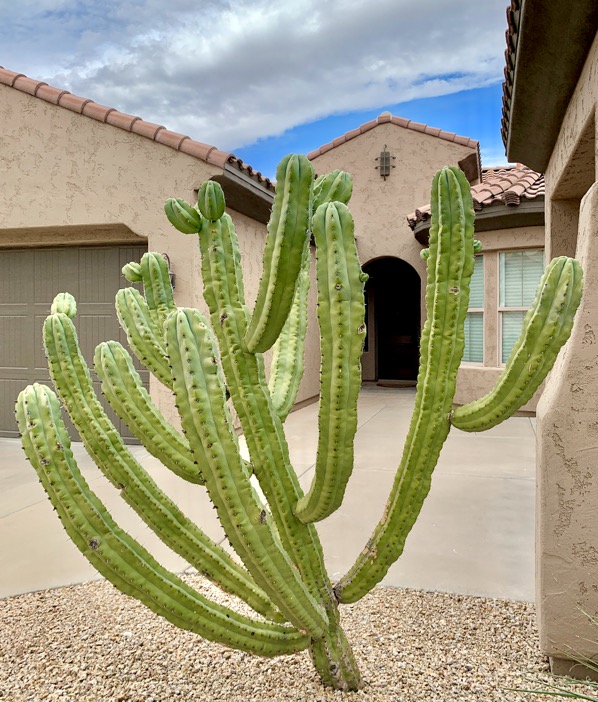
How to Propagate Cactus and Agave
Once you know how to propagate, you can have an endless supply of your own free plants, and beautiful gifts for friends, family, and neighbors. Or… you can even start a side hustle off of it!
Soil Tips
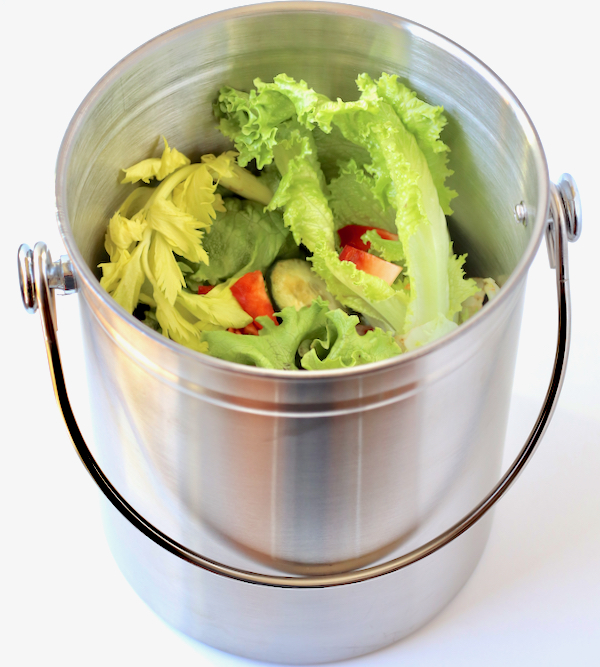
What to Put in a Compost Bin at Home (Composting 101)
Knowing what to put in a compost bin is the first step to creating your own amazing compost for your home garden!
Karen writes: “Start gardening with a good, fresh mixture of 2/3 topsoil and 1/3 compost.”
Marty writes: “We get fertilizer from our friends with horses. They are always delighted to rid themselves of some nice, aged poo.”
Sherry writes: “I buy manure, Turkey Manure was best, and spread it on my flower beds and veggie area along with my mature compost early in March. This lets the nutrients get into the soil before I plant. I also grow potatos in bags on my fence and intermix veggies with my flowers. My Peas are already planted for this year and I will plant a second crop of those in another two weeks. Love sugar pod II for edible pods. Good luck. I gardened with my mom, she made me a gardener, I gardened with my girls and they are gardeners. what fun!”
Kathleen writes: “Get free coffee grounds from Starbucks, they give them away in huge bags!! Great for the garden!”
Janice writes: “Coffee grounds are great for acid-loving plants like Azaleas.”
Elvira writes: “I used to buy manure, but have started saving coffee grounds and egg shells. I mix the coffee grounds and egg shells in a 5 gallon bucket and frequently roll the contents to keep it mixed. This is what I now use instead of manure. It is very effective and all my plants react to it beautifully – even my African Violets, which keep blooms pretty much all year round.”
Donna said: “Soil is important! Find your local agricultural extension agent, and get a soil test done. That way you do not waste your time and money buying fertilizers and lime that you do not need. Hope this helps! Signed… ‘A Horticulture Teacher.’ ”
More Gardening Tips on a Budget
Patti writes: “My specialty! Gardening on a dime! I am a professional landscape designer and run a business that specializing in do it yourself landscaping.
My first bit of advice that saves the most money is not to be an impulse shopper this spring.
So many people call me for help after they have already invested a lot of money and time into purchasing and planting plants. It is so easy to be tempted to buy those beautiful plants in bloom available at virtually any local neighborhood hardware / garden center.
Also, while seeds are inexpensive and fun to watch grow, some veggies are best to buy already grown and not waste your patients struggling with seeds if you are a first time gardener. I still buy all my tomato and peppers in plants and save seeds for the crops I can sow early in the spring directly in the soil such as lettuce, carrots and radishes. Happy Gardening!”
Alicia writes: “To save money on water and to help your plants grow nice, deep roots, save your plastic 64oz juice containers. Leave the caps on, cut off the bottoms and then poke a zillion holes in the sides (I used my hubby’s grilling fork!) Bury the containers (cap-side down) about every three feet or so, just so the top 1 1/2 inches are sticking out. When you water, just fill the containers. They’ll each spread water in about a 1 1/2 feet circumference. I used these mostly around my tomatoes and peppers, as they tend to need a lot of water and they’ll grow very deep roots.”
Dana writes: “I now get enough food to supply my neighbors and family. Also, always check your zone, I found raspberries that grow well all the way down here in South East Texas.”
Kerry writes: “Re-usable grocery bags make awesome containers – plants seem to love them. I’ve grown herbs, lettuce and tomatoes and even lilies in them. Just make sure you use the ones that are plastic. The cloth ones will fall apart to quickly.
I use all kinds of things for containers from colanders to clamshells. Just make sure to put drainage holes in anything you use.”
Sherill writes: “As you’ve been noticing, where you live makes a difference. Don’t let the “zone” talk scare you; just look in a good seed catalog or google it. And check your local last frost date…it does make a difference.
I’ve been around gardening all my life and seem to learn new things every year. Pintrest has given me some great ideas, but my favorite place is still my local garden center when I need help. Find one near you that employs someone who has schooling in horticulture and/or master gardeners. Experience is great, but sometimes book-learning helps. Get to know them and you can gain lots of valuable information. Extension offices are great sources, but the person with experience isn’t always available and when you are starting out, brochures don’t always do it.
Sometimes spending a little money on things from a nursery is worth it when it comes to harvest time. I’m in Zone 4 and I’ve found most things do ok here from seed directly into the garden, but there are some I’ve found don’t produce as well, like peppers. I never by individual plants unless they are out of 6- or 4-packs of a plant variety I just can’t do without.
If you start your own seeds indoors, toilet paper or paper towel rolls cut into lengths work well. Just put them on an old jellyroll pan to hold in the potting soil and water.
Some people do well with container gardening, but we’ve had much better luck with raised beds and traditional gardening, mostly due to water requirements…containers dry out way too fast for us most years. Good luck with your gardening, and don’t give up! Every year is different.”
Frugal Gardening Hacks
Frugal DIY Garden Watering Can
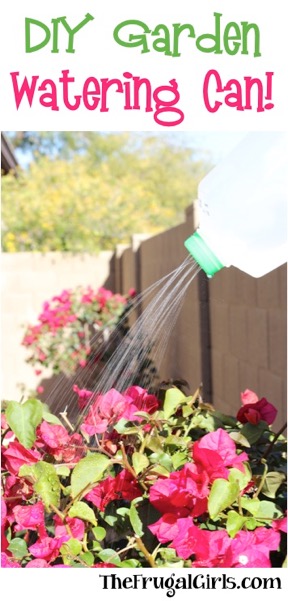
Got an empty plastic milk carton lying around? Check out this easy trick to make a Milk Jug Watering Can…
What You’ll Need:
- Old milk or orange juice jug (1/2 gallon or gallon)
- Push Pin
What You’ll Do:
1. Clean and wash out your old milk or orange juice jug.
2. Remove the cap, and carefully poke several holes in the cap using a push pin.
3. Fill your jug with water, then screw the cap back on.
4. Now you’ve got a simple DIY Garden Watering Can… and it was a nice price, right? 😉 Easy-peasy!
Holly writes: “I always love the tips and tricks you share and this is one I can make at home today. I need a watering can and now don’t have to spend $$$ for one. Fantastic, thanks!”
Thrifty DIY Weed Trick
You’re gonna love this frugal gardening tips for making your own Homemade Weed Terminator.
Rosanna writes: “This might fall more into the homemade cleaners type category, but it’s gardening related. I just discovered VINEGAR as an “organic” weed*iller! I’ve had monkey grass growing in ugly patches around my magnolia tree.
If you have monkey grass, you know it’s impossible to get rid of. But on a hunch, I took some vinegar and didn’t even spray it, just sort of poured it on while jiggling the bottle around. One week later, it was gone! Safe for the tree, because the tree roots are too low to be bothered by it, and it’s not strong enough to harm a tree. It works much faster on common weeds.”
Pamela writes: “Make sure your garden is south facing or gets plenty of light. I recommend raising your beds. It will help with drainage and your back! Rabbits in your area? Be sure to fence in a small area if you have rabbits. You don’t want to see all your hard work eaten overnight.”
Pests in the Garden
DIY Slug Trap Tricks
Don’t just let those snails and slugs eat your beautiful plants. Get some help with these DIY Slug Trap ideas!
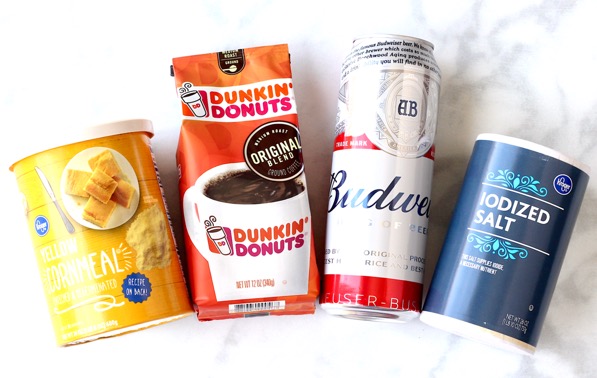
Indoor Gardening Tips
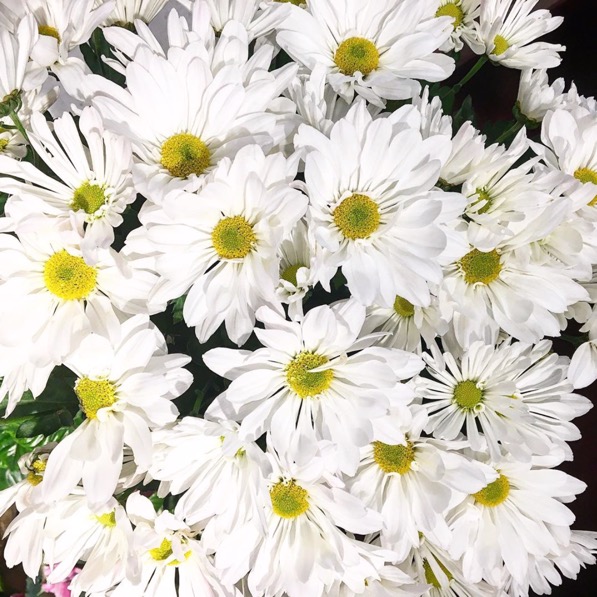
How to Keep Cut Flowers Fresh Longer
Keep those blooms looking gorgeous with these easy tricks.
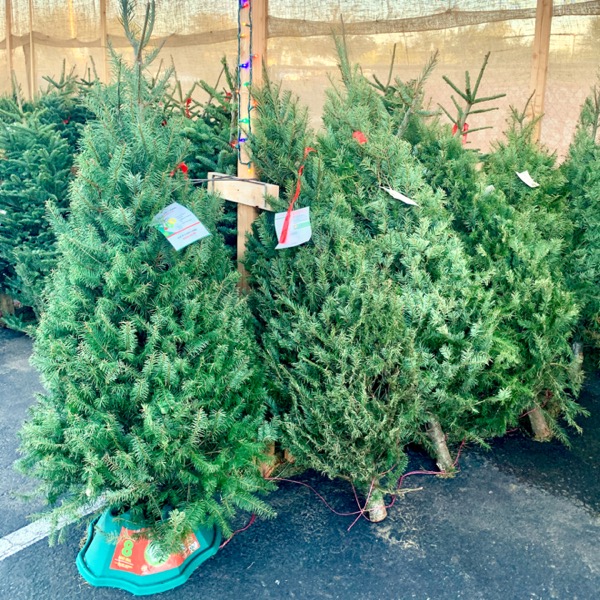
How to Keep Your Christmas Tree Alive Longer (Easy Tricks)
Keep your live tree looking gorgeous all season long with these easy tips and tricks for how to keep your Christmas tree alive longer!
More Home and Garden Tips and Tricks
So do you want even more Frugal Inspiration for around savings around your home? You need to try these Creative Tips!!
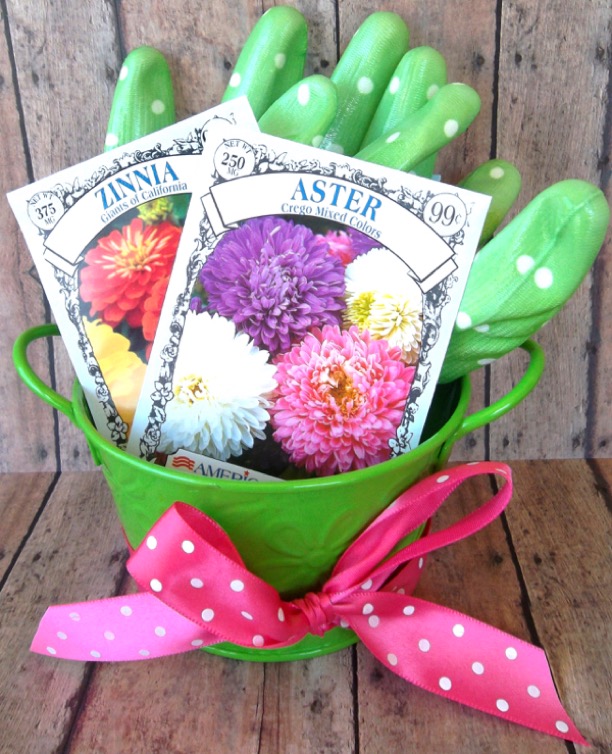
Gardening Gift Ideas
Whether you’re shopping for him or for her, these creative gardening gifts are both fun to give and SO fun to receive.
Canning and Preserving for Beginners (Ultimate Guide to Get Started)
You’ve just stumbled across the ultimate guide to Canning and Preserving for Beginners!
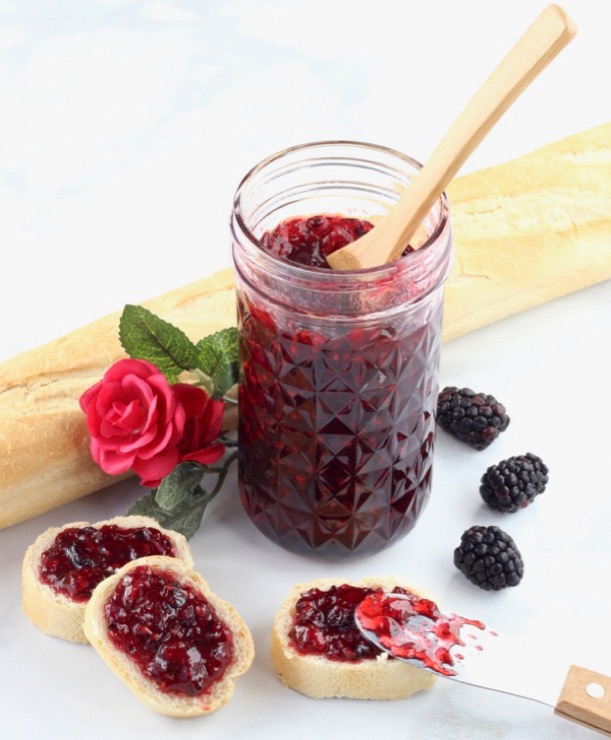
Homesteading 101
Savor every moment of the simpler life and take your homesteader skills to the next level with this ultimate guide for Homesteading 101!
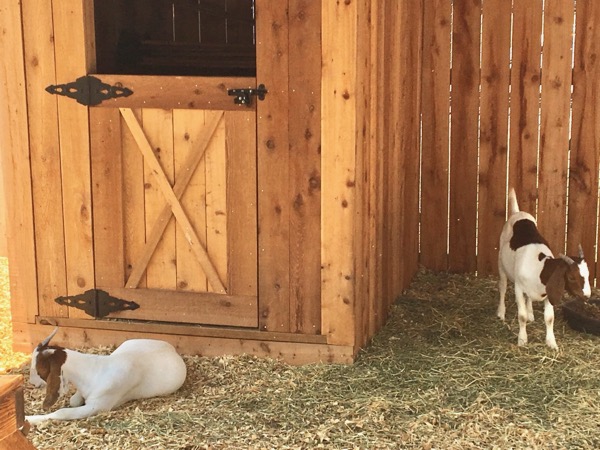
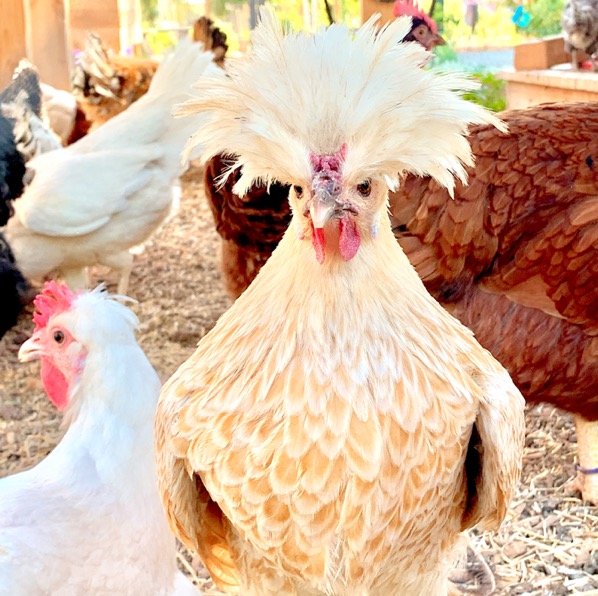
50 Backyard Chickens for Beginners Tips (Raising Chickens 101)
These Backyard Chickens for Beginners Tips and Hacks will have you up to speed and raising your own chickens in a jiffy!
So do you have any Easy Gardening Tips for Beginners or Tried and True Hacks you’ve Learned?
Share with us in the comments below…







I especially appreciate the advice on starting with healthy plants and using large containers for better root growth. The insights on growing herbs from cuttings and the idea of buying plants at the end of the season to keep indoors over winter are particularly helpful.
Wow! Thanks so much for this post. This information has been very helpful. Thanks for sharing this post.
Thanks for sharing such valuable information with us
You’re very welcome, Zoe… I’m so glad you liked the tips!
Such incredible advice from so many awesome sources! I love it!
Thanks, Scott… I’m happy to hear you’re enjoying these easy gardening hacks!
This compilation of all your easy gardening tips and tricks is soooo helpful for those who are just beginning to garden! I must send this to my husband!
Thanks so much, Christie… I’m so glad you’re enjoying the tips! 🙂